Project Summary
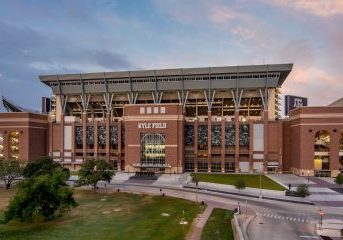
Texas A&M University Kyle Field Renovation
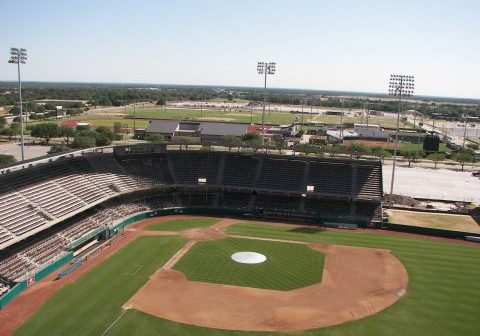
Kyle Field has been the home of Texas A&M football since 1905, and in 2014–2015 it underwent one of the most ambitious redevelopment efforts in collegiate athletics.
Location
Texas A&M University College Station, TX
General Contractor
Manhattan-Vaughn Joint Venture
Completion
2015
Project Description
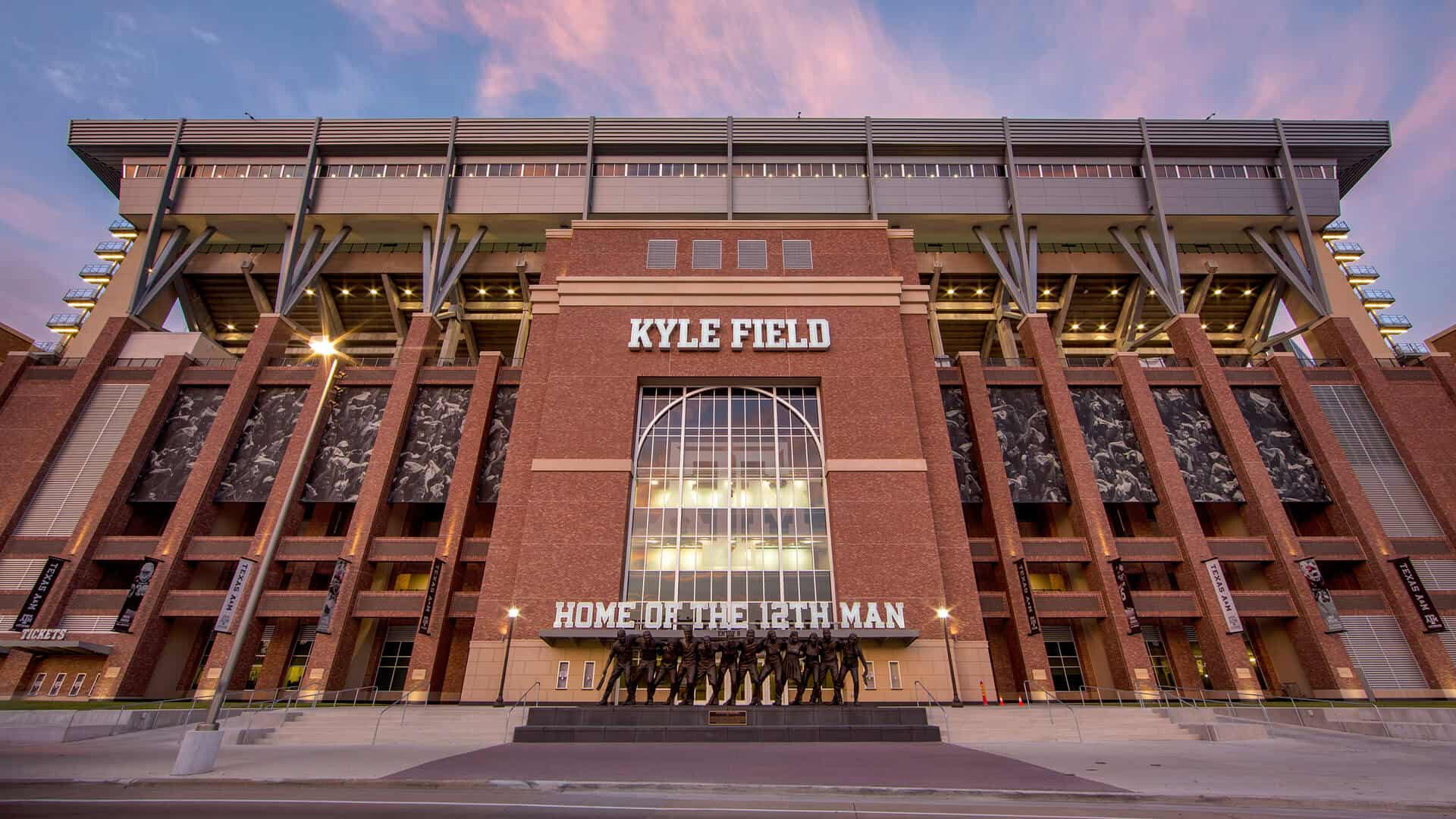
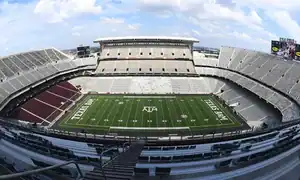
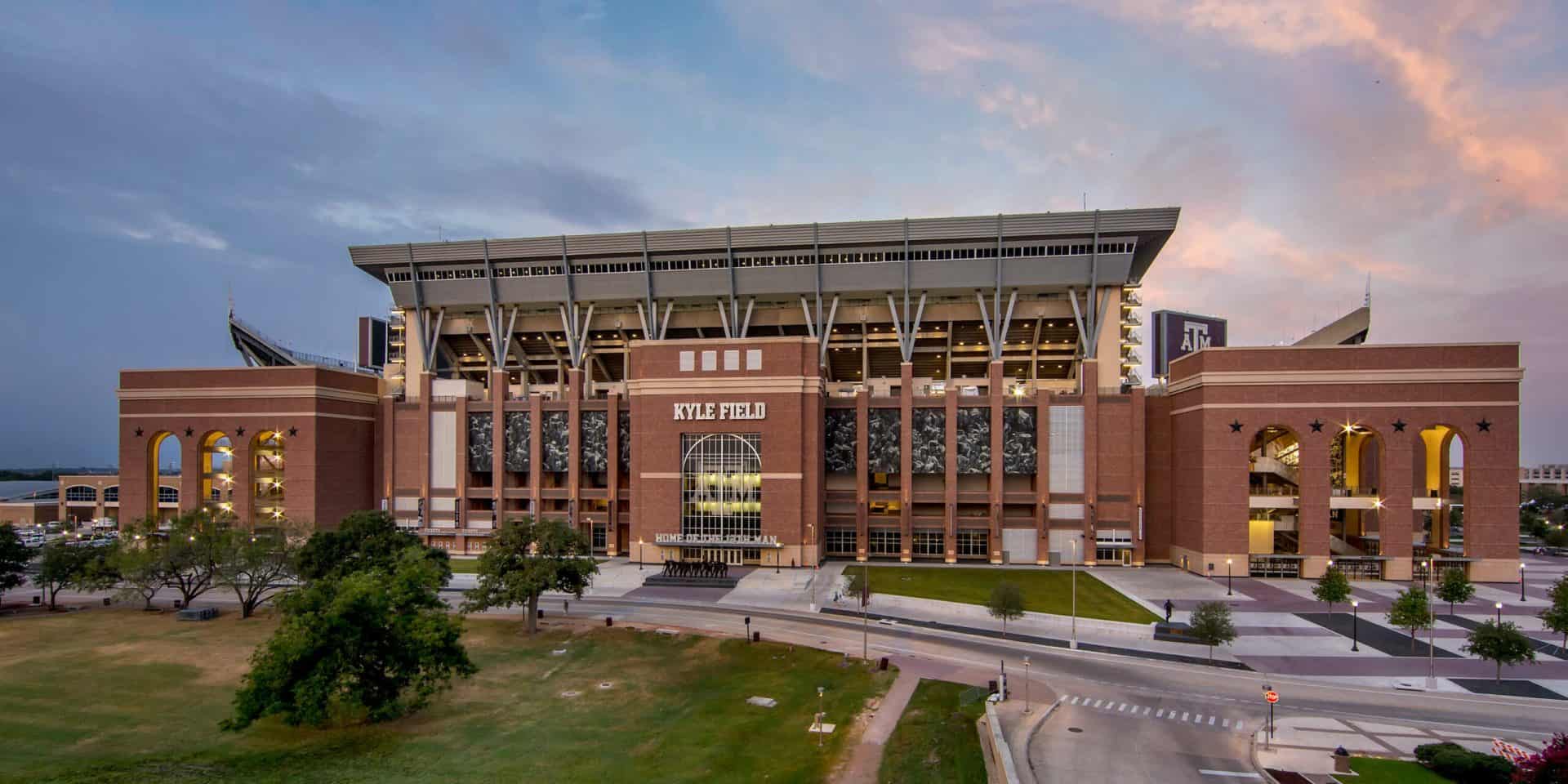
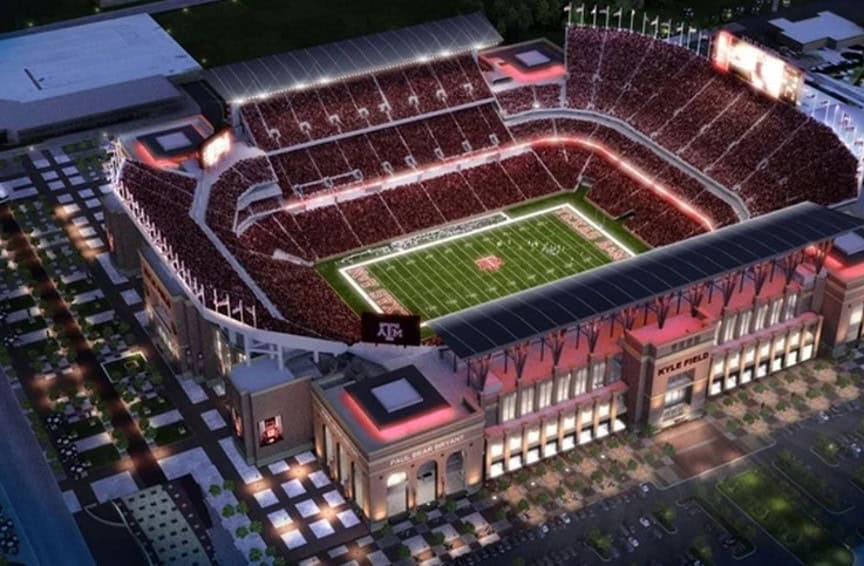
The two-year renovation transformed the stadium into a modern, high-capacity venue while preserving its historic character and enhancing the game-day experience for more than 100,000 fans.
Britt Rice Electric LP entered into a Joint Venture with Walker Engineering Inc. to deliver the full electrical scope of this landmark project. Our team supported one of the largest stadium builds in Texas, providing power distribution, sports lighting, life-safety systems, and infrastructure required for premium seating, technology upgrades, and major-event operation.
Project Team
Owner: Texas A&M University
Architect: Populous
Engineer: M–E Engineers, Inc.
Construction Type: Remodel | Design-Build
Renovation Highlights
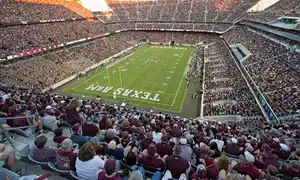
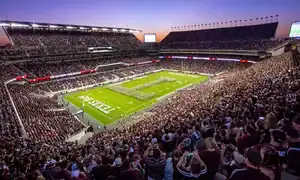
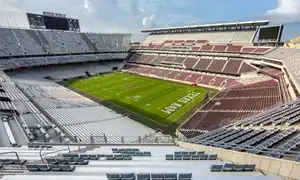
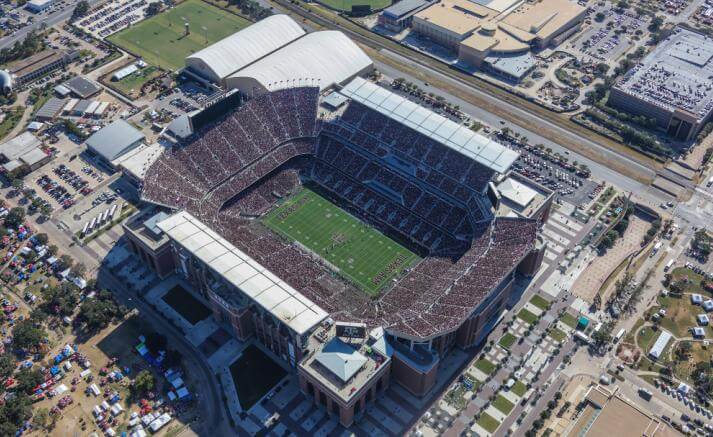
• Expanded seating capacity: Increased to 102,733, making Kyle Field one of the largest stadiums in college football.
• Lowered and repositioned field: The playing surface was lowered and shifted south to improve sightlines and intensify the in-stadium atmosphere.
• Premium fan amenities: New suites, clubs, and loge boxes were added, many incorporating features selected through feedback from more than 24,000 fans.
• Improved acoustics and comfort: Dual canopy structures provide shade and reflect crowd noise back toward the field for a more electric game-day environment.
• Modernized exterior: The stadium’s facade was rebuilt using custom precast concrete panels with inlaid brick, preserving the historic red-brick aesthetic.
• Technology upgrades: Installation of large high-definition video boards, new sports lighting, and an advanced stadium-wide Wi-Fi system that set national usage records.
• Efficient construction: Prefabricated components and fast-track methods enabled completion in just over two years without interrupting the football season.
Project Gallery